








GaadiWaadi -
BYD India surpasses 20,000 customer deliveries as the Atto 3 and Sealion 7 secure over 14,000 handovers and the retail network reaches 40 cities
BYD India has crossed 20,000 cumulative electric passenger car deliveries, twice the 10,000-unit total it announced in September 2025. The next 10,000 handovers took about 14 months, compared to almost four years for the first. The company presented its 20,000th vehicle to a customer at PPS BYD in Delhi on November 20, 2026. Importantly, the November figure represents cumulative customer deliveries since its entry into the passenger car market in 2021.
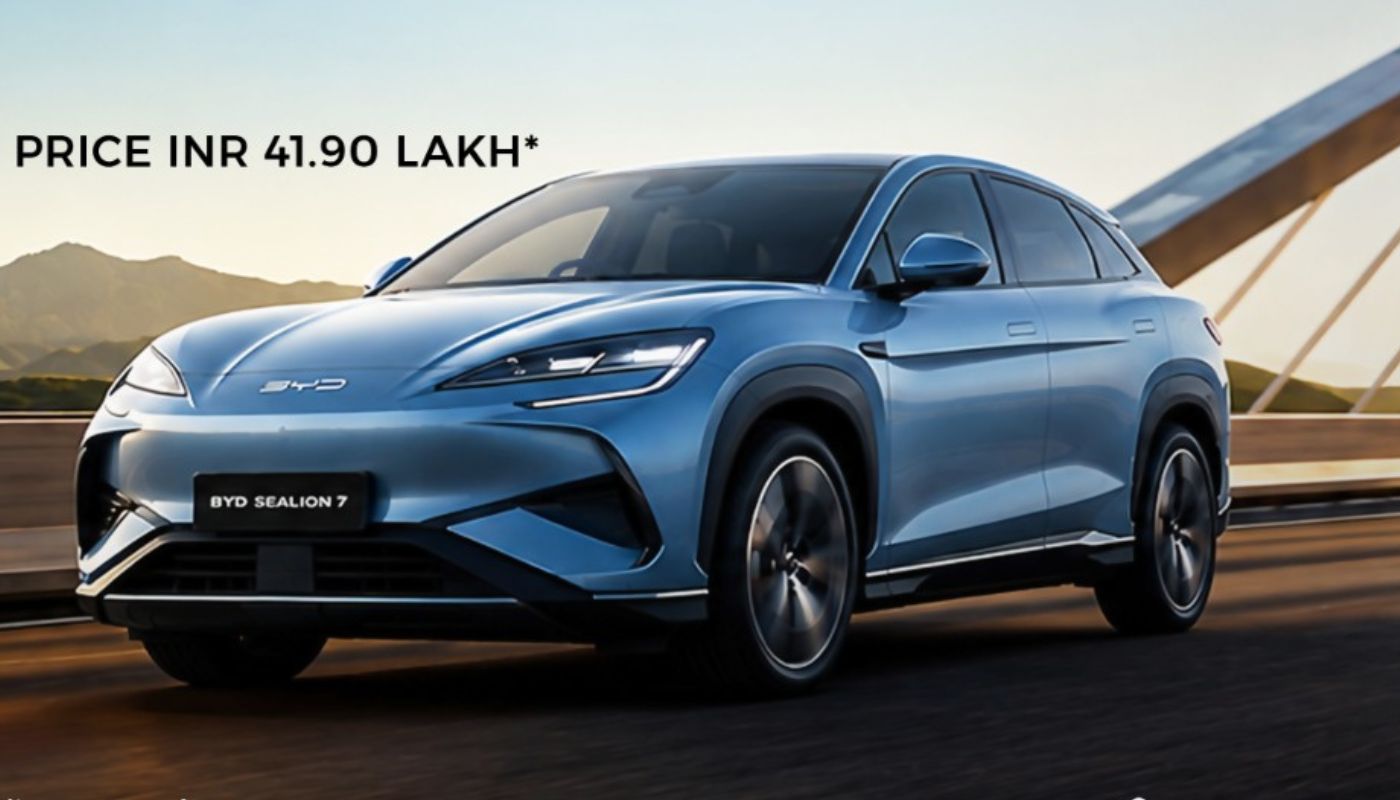
The Atto 3 has contributed more than 9,000 deliveries, the largest disclosed model tally in the portfolio. The Sealion 7, which entered the market in February 2025, has already surpassed 5,000 customer handovers. Consequently, the two electric SUVs have together recorded more than 14,000 deliveries, a substantial portion of the company total. The Sealion 7 achieved its figure just 21 months after its introduction.
The dealer network now consists of 51 showrooms in 40 cities, a notable development for a manufacturer whose first electric passenger model primarily served fleet operators. The company now caters to private customers as well, and its retail presence has grown alongside a more varied choice of vehicles. The current BYD portfolio comprises the Atto 3 and Sealion 7 SUVs, the Seal sedan and the eMAX 7 MPV.
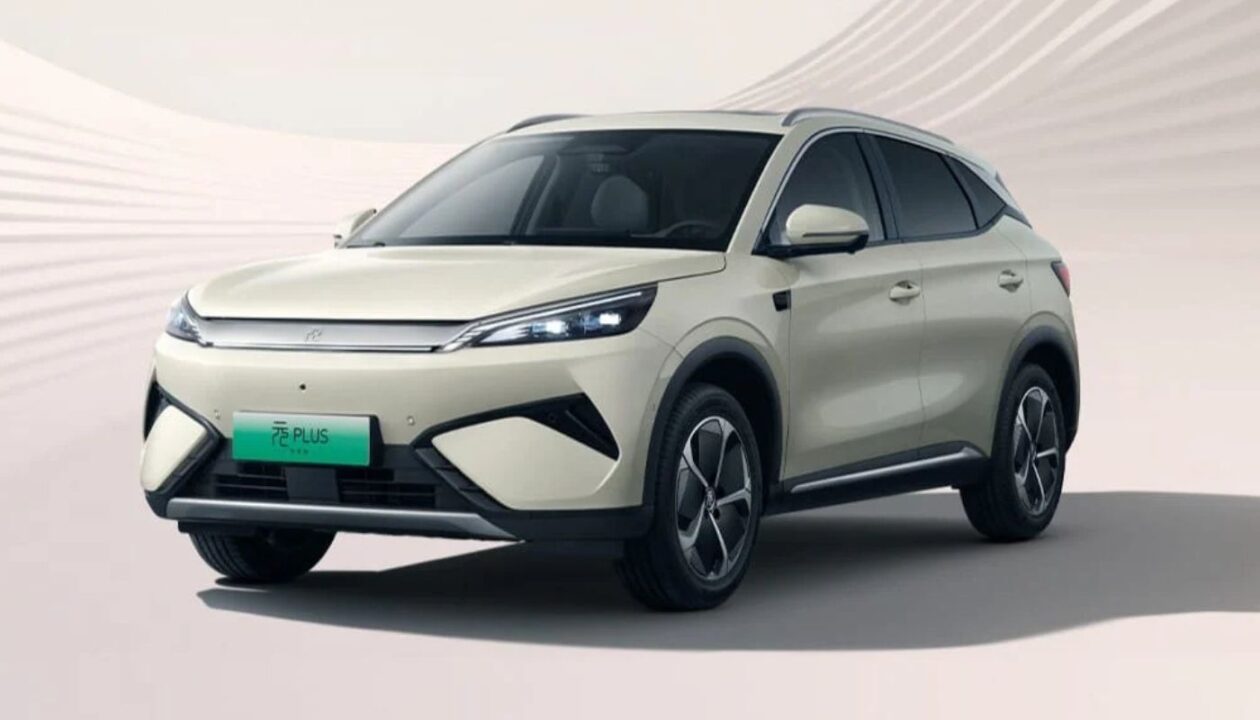
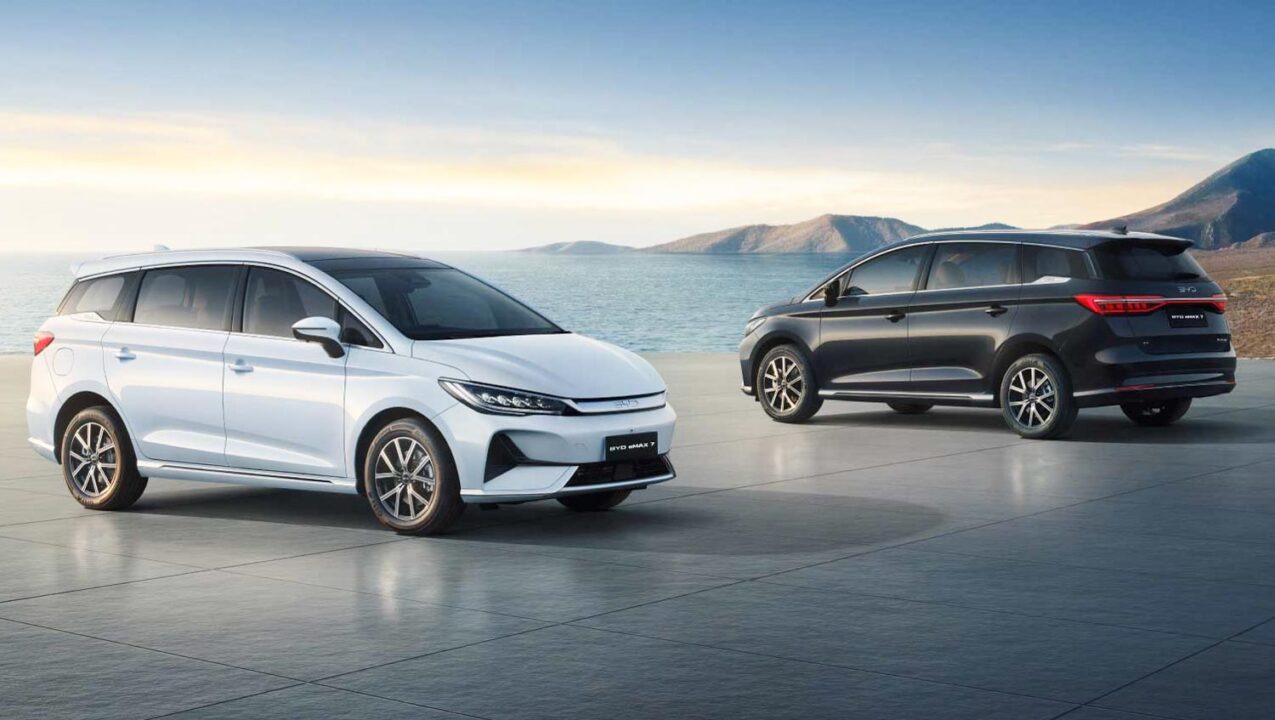
The original e6 introduced BYD passenger cars to India in 2021 and catered chiefly to commercial operators. Its successor, the eMAX 7, offers six- and seven-seat layouts, a distinctive alternative to the two SUVs and the Seal sedan. Meanwhile, the Seal provides a low-slung fastback body for customers who prefer a car to an SUV. The four models consequently address different passenger capacities and vehicle requirements.
The electrical architecture provides another technical distinction between BYD and its established rivals. The proprietary Blade Battery employs a cell arrangement developed for durability and thermal safety. Cell-to-Body construction integrates battery components into the vehicle structure itself and can improve body rigidity and space efficiency. Separately, e-Platform 3.0 supplies the electrical and mechanical foundation for compatible BYD models and is designed specifically for electric propulsion.
BYD has also entered the luxury vehicle category under the Denza name. The marque made its debut in November 2026 via the D9 electric MPV and Z9 GT grand tourer. The two cars occupy a different price category from the four established BYD passenger vehicles. Their introduction gives the company two distinct brands and a choice of vehicle types at the upper end of the electric car market.
The manufacturer originally established operations in India in 2007 in the electric bus sector, well before its passenger vehicle debut. The current passenger car portfolio consists of imports, in contrast to locally manufactured alternatives. Separately, BYD has confirmed plans for the Seal U as its first plug-in hybrid in the country. The model combines a petrol engine and rechargeable battery, a departure from the battery-electric powertrains of the current BYD range.
The post BYD India Records 20,000+ Cumulative EV Deliveries; Tally Doubles In 14 Months appeared first on Gaadiwaadi.com - Latest Car & Bike News by Surendhar M.