









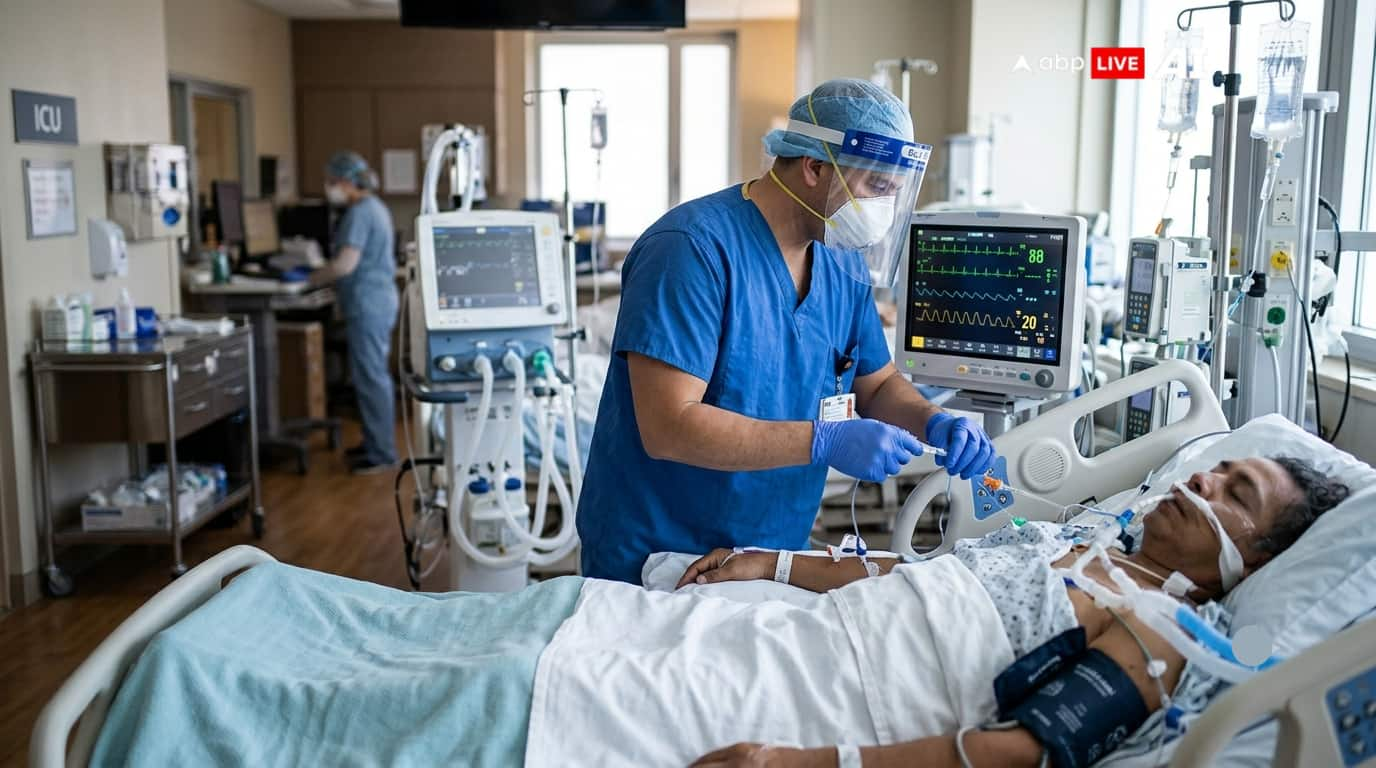
Hospitals are expected to provide treatment and help patients recover from illnesses. However, hospital-acquired infections can sometimes pose serious risks, particularly for those who are already critically ill. A study conducted at a private hospital in Karnataka has highlighted the alarming impact of one such infection, with nearly 77% of affected patients dying within 30 days.
The study, conducted between July 2021 and December 2023, examined 154 patients whose blood samples tested positive for a bacterium called Acinetobacter baumannii. This bacterium is known for its ability to resist several antibiotics, making infections difficult to treat. The findings revealed that 118 out of the 154 patients died within 30 days of the infection being detected.
What Is Acinetobacter Baumannii Bacteria?
Acinetobacter baumannii is a type of bacteria commonly associated with hospital-acquired infections. It can cause serious illnesses, particularly among patients who are already suffering from critical health conditions or are admitted to intensive care units (ICUs).
The bacteria can affect different parts of the body, including the lungs, bloodstream and other tissues. One of the biggest concerns is that certain strains are resistant to multiple antibiotics, which makes treatment more challenging.
When an infection does not respond to commonly used antibiotics, doctors may have limited treatment options. This can lead to complications and further deterioration in a patient's condition.
Therefore, identifying the bacteria through appropriate diagnostic tests and selecting medicines based on the infection are crucial for effective treatment.
ALSO READ | Doc Talk | Wounds Taking Too Long To Heal? 5 Health Factors That Could Be Slowing Your Recovery
Nearly 77% Patients Died Within 30 Days
The study reported a high mortality rate among patients infected with Acinetobacter baumannii. Out of the 154 patients included in the research, 118 died within 30 days of the infection being identified.
This accounts for approximately 76.6% of the total patients. The findings also highlighted that the risk was particularly high during the initial days of infection.
According to the study, 57.1% of the patients died within the first seven days after the infection was detected. This indicates how rapidly the infection can become life-threatening, especially in patients with existing health complications.
ALSO READ | Doc Talk | How Robotic Kidney Transplants Can Make Surgery Safer For Donors And Recipients
Lung And Catheter-Related Infections Reported
The study also identified different sources of infection among the affected patients.
More than half of the patients had lung infections. These infections can be particularly dangerous for critically ill individuals, especially those who require respiratory support or are admitted to intensive care.
Around 29% of the cases were linked to catheter-associated infections. A catheter is a thin tube inserted into the body to deliver medicines or fluids, or to drain bodily fluids. If proper hygiene and sterilisation practices are not followed, these tubes can become a potential source of infection.
Why Are Hospital Hygiene And Infection Control Important?
Hospital-acquired infections can increase the risk of complications and make recovery more difficult. Patients admitted to ICUs or those receiving ventilator support are particularly vulnerable because of their critical health conditions and exposure to medical procedures.
Following proper infection-control practices is essential to reduce these risks. Hospitals and healthcare professionals need to pay attention to several preventive measures, including:
- Regular Hand Hygiene: Doctors, nurses and other healthcare workers should clean their hands properly before and after attending to patients.
- Sterilisation Of Medical Equipment: Medical instruments and devices must be cleaned and disinfected according to established safety protocols.
- Proper Catheter Care: Catheters should be handled carefully, with appropriate hygiene measures followed during insertion and use.
- ICU Infection Control: Patients in intensive care and those on ventilators require additional monitoring and preventive care.
- Timely Diagnosis: Identifying infections early can help doctors choose appropriate treatment and reduce the risk of complications.
The findings underline the importance of hospital infection-control measures, timely diagnosis and appropriate antibiotic treatment, particularly for patients who are already critically ill.
[Disclaimer: The information provided in the article is intended for general informational purposes only. It is not a substitute for professional medical advice, diagnosis, or treatment. Always seek the advice of your physician or other qualified healthcare provider with any questions you may have regarding a medical condition.]