









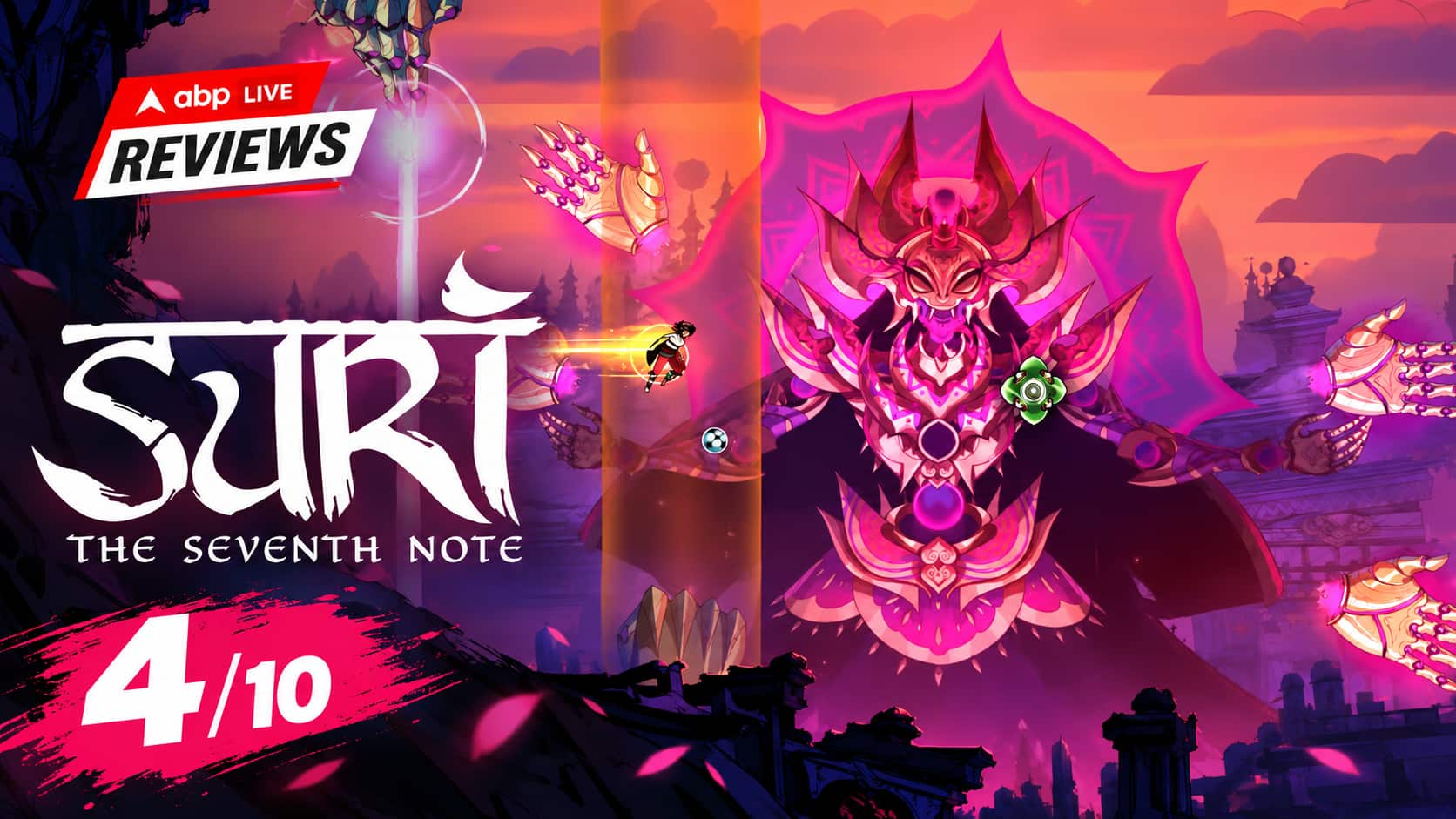
India's gaming industry has another ambitious debut with SURI: The Seventh Note, a rhythm-based platformer from Tathvamasi Studios that attempts to make music an integral part of gameplay. Set on a mysterious island where rhythm governs the natural world, the game combines precision platforming, musical puzzles, vibrant environments and an emotional journey centred on family and survival. Its premise is intriguing, and its colourful art direction makes an immediate impression.
However, while SURI has several interesting ideas, its execution is considerably less consistent. Unpredictable movement, repetitive musical arrangements, and a narrative that struggles to establish an emotional connection prevent the game from reaching its full potential. There are moments when everything comes together beautifully, but maintaining that harmony throughout the adventure proves difficult.
A Story Of Survival That Struggles To Strike An Emotional Chord
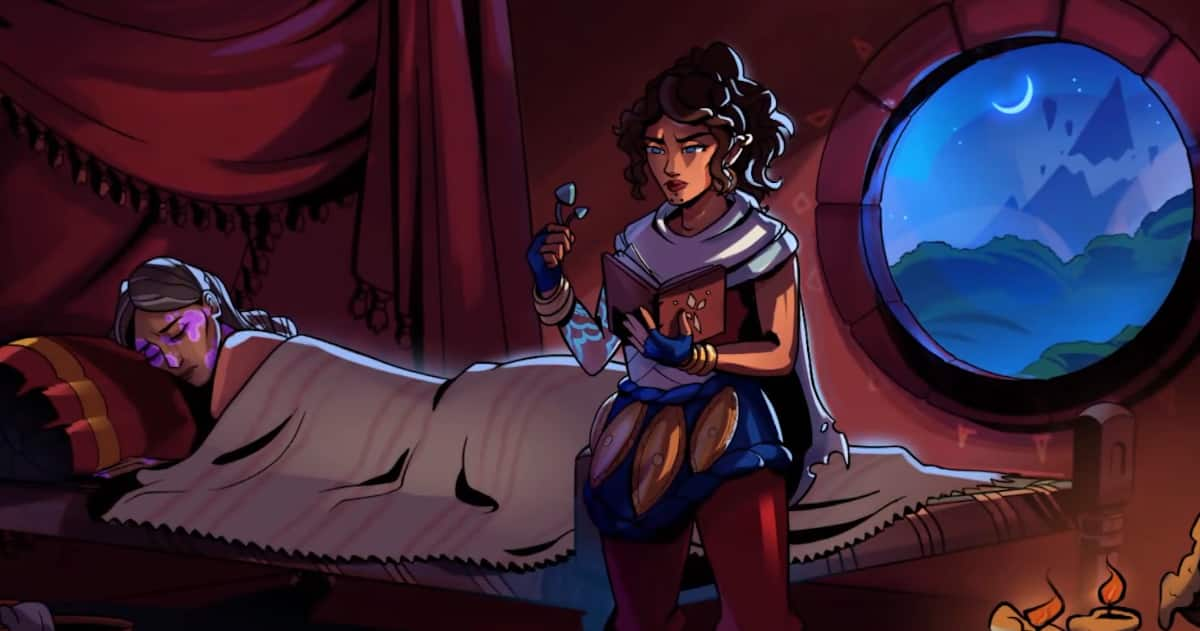
SURI: The Seventh Note places players in the shoes of Ajira, a young girl living on the fantastical island of Suri. Music and rhythm are deeply connected to the island's existence, but an unexplained illness has disrupted its natural balance. The disease has already taken Ajira's father, and her mother is now fighting for survival. With a sacred tree holding the possibility of a cure, Ajira embarks on a journey to find its fruit, gradually discovering that her mission could have consequences for the entire island.
The premise offers enough material for an engaging adventure, particularly with the emotional stakes surrounding Ajira's family. Unfortunately, the storytelling rarely makes the most of this opportunity. Character interactions and narrative sequences feel relatively static, with limited animation and little variation in character presentations. The absence of voice acting also takes away some of the emotional weight that could have made important moments more impactful.
There is an interesting world waiting to be explored, but the narrative does not provide enough character development or storytelling depth to make players genuinely invested in its outcome. The central quest gives the adventure direction, although the emotional connection remains somewhat distant.
Beautiful Art Direction Makes SURI A Visual Treat
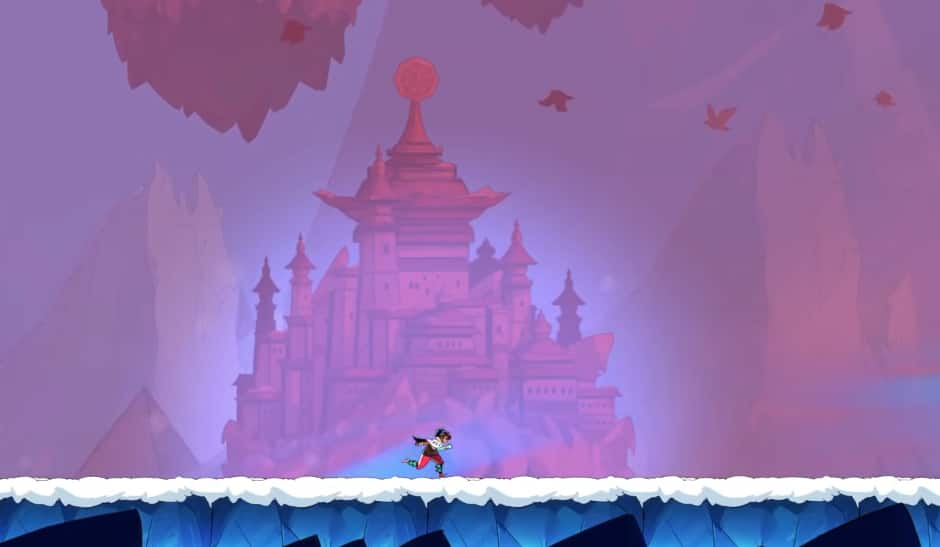
One of the game's biggest strengths is undoubtedly its presentation. SURI: The Seventh Note features a distinctive hand-drawn visual style, with colourful environments, detailed backgrounds and character designs that give the island a personality of its own.
The art direction also draws inspiration from Indian cultural and architectural traditions. Elements associated with Rajput fortifications, Theyyam performances and Himalayan monasteries contribute to the game's visual identity, helping it stand apart from conventional fantasy platformers.
Different environments offer contrasting atmospheres, ranging from lush forests and ancient temples to mysterious ruins and more threatening locations. Lighting effects, animation and environmental details add depth to these settings, making exploration one of the more enjoyable aspects of the experience. The illustrated character portraits also have a distinctive aesthetic, even if their limited variation becomes noticeable during narrative sequences.
There are, however, occasional technical inconsistencies. Certain transitions feel abrupt, while some environmental assets appear poorly aligned or abruptly cut off. Character and background elements can also reset unexpectedly during screen transitions. These issues are not frequent enough to ruin the presentation, but they do interrupt an otherwise impressive visual experience.
Rhythm-Based Platforming Is SURI's Biggest Gamble
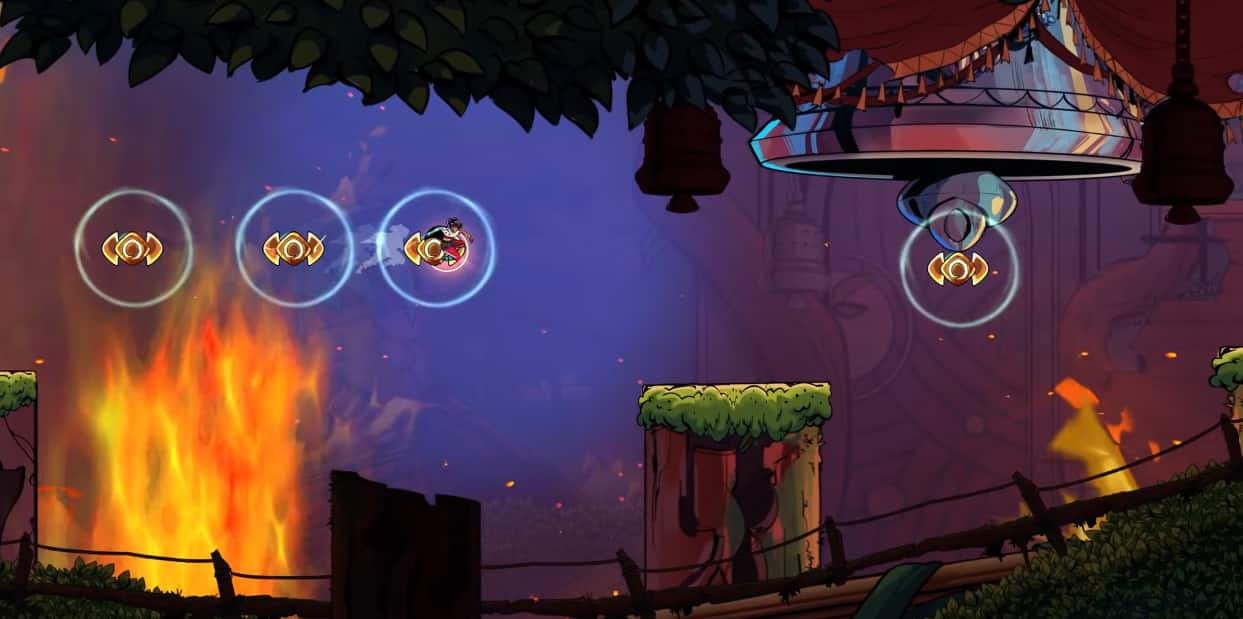
The central gameplay idea behind SURI: The Seventh Note is straightforward but ambitious. Instead of treating music as something that simply accompanies the action, the game makes rhythm an essential part of navigating its environments.
Players must coordinate Ajira's jumps, movements and special abilities with the underlying musical beat. Platforms and obstacles contribute their own sounds to the soundtrack, creating a system in which successful navigation gradually builds a musical arrangement.
When the mechanics work as intended, the experience can be genuinely satisfying. Moving through a sequence of obstacles without missing a beat creates a sense of momentum that conventional platformers do not always offer.
However, getting into that rhythm is easier said than done. Ajira's movement occasionally feels floaty, and certain jumps lack the precision needed for a game that places so much importance on timing. Some sections quickly become exercises in trial and error, with a mistimed action forcing players to repeat an entire sequence.
The game introduces additional abilities as players progress, including Echo, which allows Ajira to interact with special runes and gain additional airtime, and Phase, which helps her navigate particular obstacles and activate environmental mechanisms.
These abilities introduce some welcome variety, particularly when combined with puzzles, elaborate platforming sections and boss encounters. Certain challenges encourage players to experiment with their powers rather than simply follow familiar movement patterns. However, the novelty gradually diminishes as familiar obstacles return, making some sections feel repetitive.
Controls And Difficulty Can Interrupt The Flow
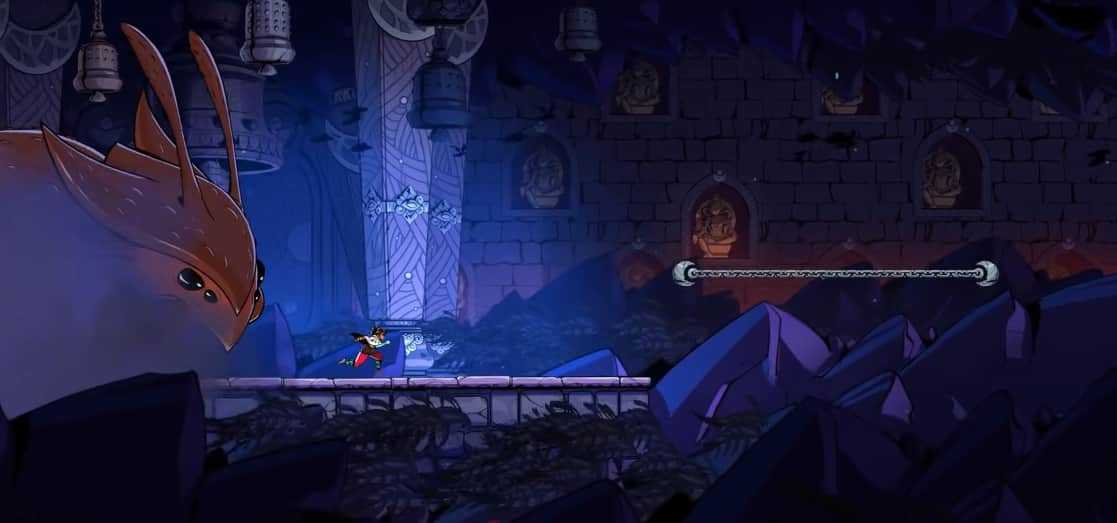
SURI's control scheme is relatively straightforward, with movement, jumping and special abilities assigned to individual inputs. The game also includes a calibration sequence to account for input latency, an important feature considering how heavily its mechanics depend on precise timing.
On PlayStation 5, DualSense haptic feedback adds another dimension to the experience by providing physical cues that complement the soundtrack. It is a useful addition, particularly when trying to synchronise movement with the music.
Unfortunately, these features cannot completely overcome the inconsistencies in platforming. Some sections demand extremely precise positioning, and it is not always clear whether a failed attempt is the result of incorrect timing or awkward movement.
Checkpoints help reduce the frustration associated with repeated attempts, but particularly challenging sequences can still become exhausting. Players looking for accessibility options to make the rhythm-based challenges more forgiving may also find the available adjustments limited.
Soundtrack Has A Great Concept But Limited Variety

Music is supposed to be the defining feature of SURI: The Seventh Note, making its audio design particularly important.
The game combines atmospheric background compositions with individual sounds generated by platforms, obstacles and other environmental elements. As players navigate a level, these sounds contribute to the overall musical arrangement, creating the impression that the player is actively participating in the soundtrack.
The ranking and combo systems are connected to this concept. Maintaining a successful sequence increases Ajira's performance grade and gradually introduces additional musical elements, making the environment feel more expressive when players maintain their rhythm.
It is an interesting approach, but the compositions do not always deliver the variety needed to sustain engagement. Repeated encounters with familiar obstacles mean that their musical contributions can quickly lose their appeal. Some individual sounds also fail to blend naturally with the background arrangement, occasionally creating an uneven listening experience.
The soundtrack is certainly not unpleasant, but it rarely reaches the memorable highs that could have made it a standout feature. For a game built around rhythm, this is a missed opportunity.
Collectibles And Optional Challenges Add Replay Value
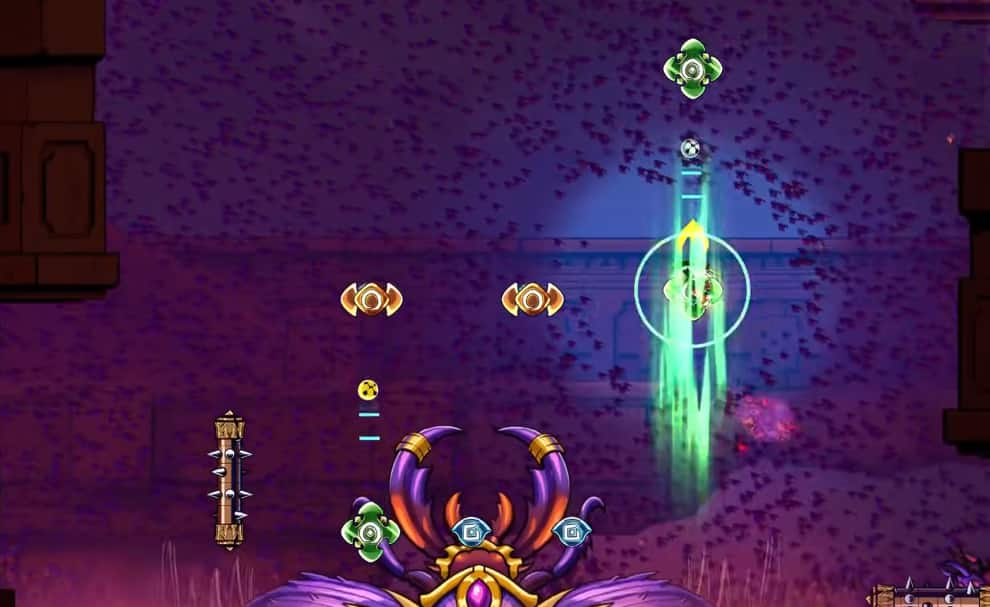
Beyond the main campaign, SURI offers additional reasons to explore its environments. Optional routes contain collectibles and more demanding platforming sequences, while items such as Ghungroos and Mirats encourage players to investigate areas away from the main path.
Some collectibles also interact with environmental mechanisms, adding another layer to exploration. Completing optional challenges and achieving higher performance rankings can provide additional objectives for players who want to extract more from individual levels.
Boss encounters offer some of the more interesting gameplay moments, requiring players to use their abilities in different ways rather than relying entirely on standard platforming techniques.
However, the incentive to pursue every optional objective is not always particularly compelling. Certain collectibles can be awkward to register, while the combo system offers limited practical benefits beyond changes to the musical arrangement and visual effects.
When the core platforming becomes frustrating, returning to a difficult section simply to improve a ranking or collect an additional item can feel more like a chore than a rewarding challenge.
Final Verdict: SURI Has Potential But Cannot Quite Find Its Rhythm
ABP Live Verdict: 4/10
Honestly? This one pains me a little. As someone who has been covering the Indian gaming industry for years now, and knowing all the troubles devs have to go through to bring out a game in this burgeoning-with-teething-issues market, I do try to highlight the best efforts in any IP. However, in the case of SURI, especially considering all the hype and support the title received from the community, it is a sore disappointment that the game lacked the one thing it cannot afford to sleep on: finesse.
And when I talk about finesse, I want you to remember genuinely lovable titles like Detective Dotson, which didnt just have finesse but also had dollops of fun slathered all over it.
SURI: The Seventh Note is an ambitious first outing from Tathvamasi Studios, and there is plenty to appreciate about its creative direction. Its hand-drawn visuals, Indian cultural influences and attempt to integrate rhythm directly into platforming give it an identity that separates it from more conventional games in the genre.
Its strongest moments arrive when movement, music and level design work together. Those sequences demonstrate just how engaging a rhythm-based platformer can be when everything falls into place.
Unfortunately, inconsistent movement, demanding platforming sections, repetitive music and underwhelming storytelling prevent the game from maintaining that momentum. The DualSense implementation and additional abilities add some welcome depth, but they cannot entirely compensate for the problems affecting the core experience.
Players who enjoy challenging platformers and do not mind learning through repeated attempts may find something worthwhile here. However, those expecting a consistently polished rhythm adventure might find the experience more frustrating than satisfying.
SURI: The Seventh Note is a promising debut with a distinctive visual identity and some genuinely interesting ideas. It just needs a little more refinement to turn those ideas into a memorable gaming experience.