








GaadiWaadi -
Tata Safari EV is set to become the brand’s first three-row electric SUV and could offer 65 kWh and 75 kWh battery choices
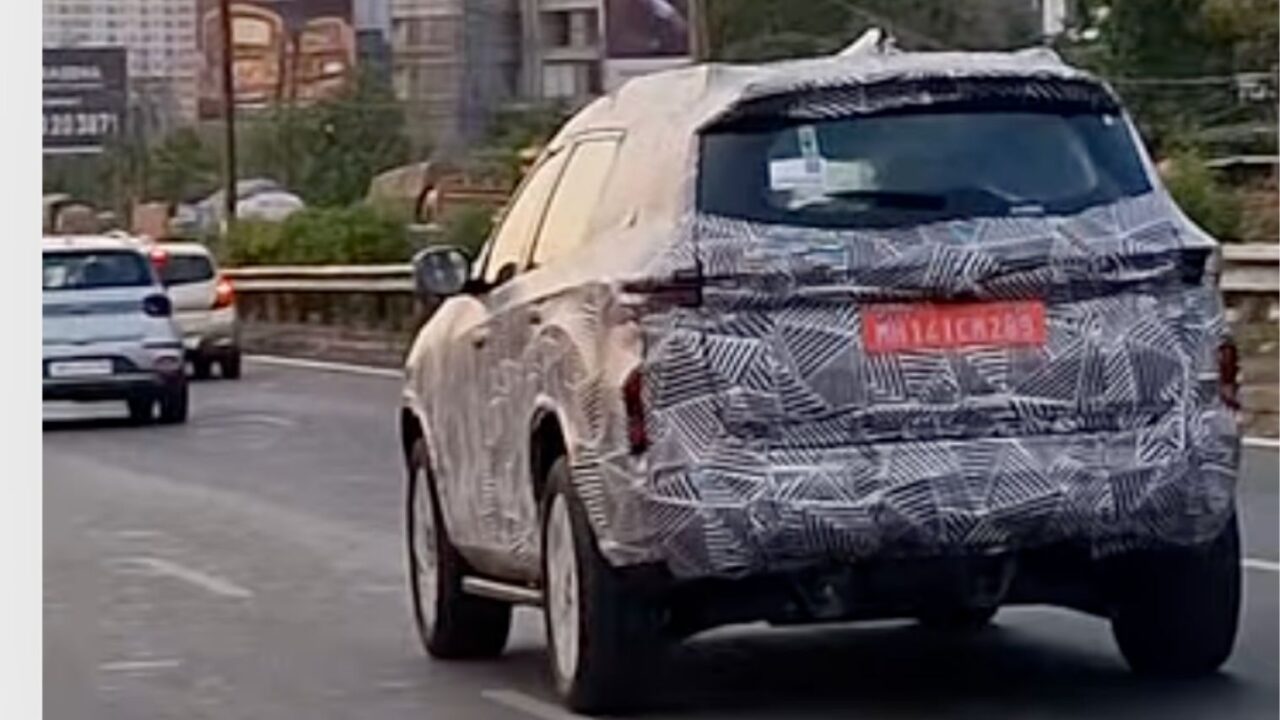
The next big product launch from Tata is expected to be the electrified version of the Safari as it could arrive in early 2027. The Safari EV test programme has revealed a major chassis change compared with the diesel SUV. Recent prototypes point towards an independent multi-link rear suspension similar to the setup found on the Harrier EV. The regular Safari relies on a twist-beam rear arrangement. The electric model is also expected to offer rear-wheel drive and an all-wheel-drive configuration, introducing a new drivetrain setup to the Safari nameplate.
The cabin has emerged as another major point of interest. Recent test vehicles have shown three displays positioned ahead of the driver, in the centre of the dashboard and in front of the passenger. The setup resembles the newer digital arrangement seen on Tata products such as the Sierra. A panoramic sunroof, ventilated front seats, connected functions and Level 2 ADAS are also expected on upper trims.
The Safari EV will sit above the Harrier EV in Tata Motors’ electric SUV range. The three-row model would become the company’s flagship electric SUV after arrival. Tata has not announced an official launch date or price structure yet. Current estimates place prices at roughly Rs. 23 lakh to Rs. 32 lakh (ex-showroom).
The battery options are expected to come from the Harrier EV programme. Reports point towards 65 kWh and 75 kWh batteries, and the 75 kWh unit could serve the dual-motor AWD version. For reference, the Harrier EV develops 238 hp and 315 Nm in rear-wheel-drive specification. Its dual-motor version produces 313 hp and 504 Nm. Final Safari EV output figures are still awaited.
The larger three-row body could result in different certified range figures from the Harrier EV. The Harrier EV currently claims 538 km from the 65 kWh battery, 627 km from the 75 kWh RWD version and 622 km from the 75 kWh AWD version. Support for DC fast charging at up to 100 kW is also expected if the same electrical system is adopted for the Safari EV.
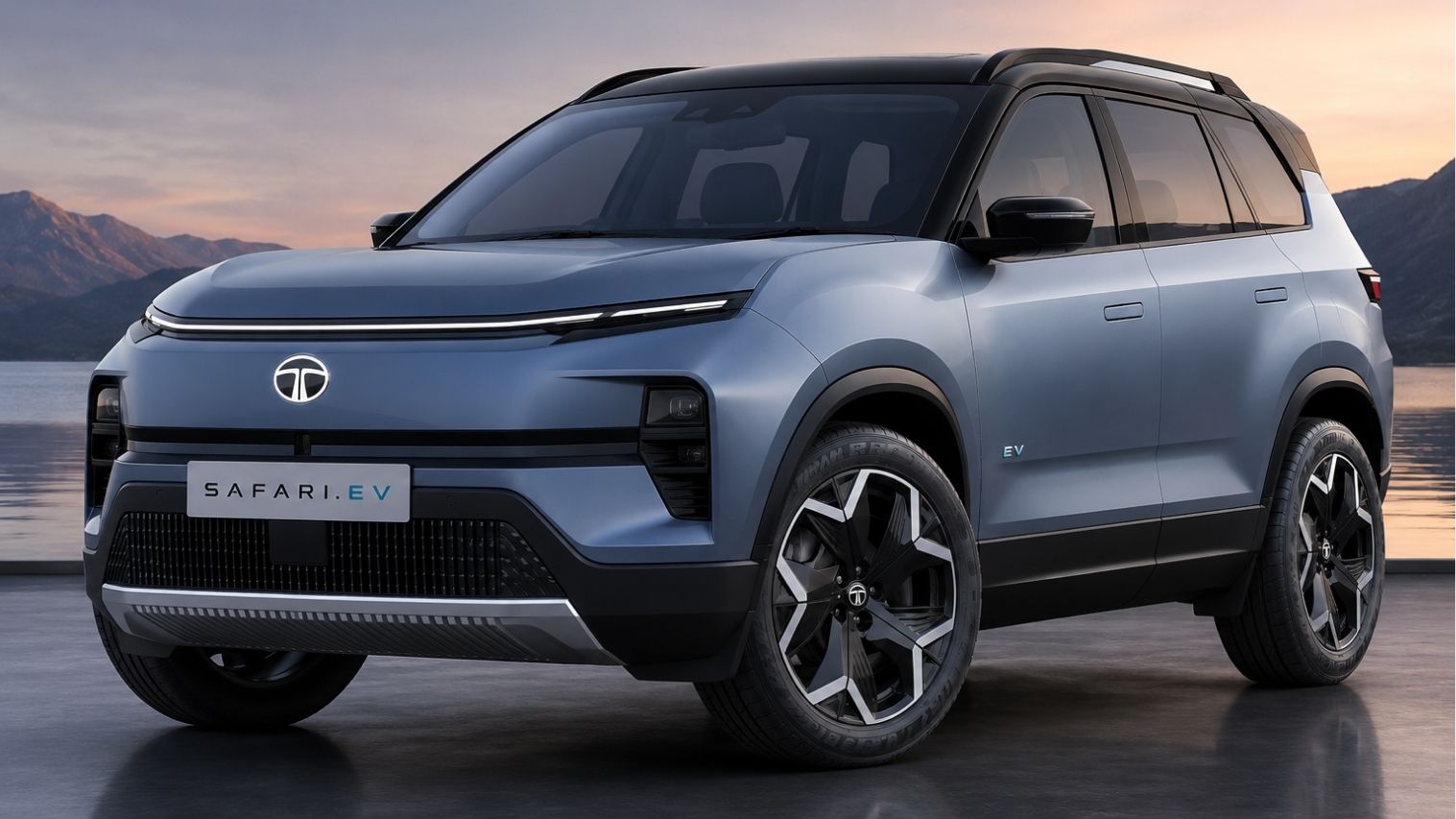
The exterior should preserve the familiar Safari proportions, tall roof and three-row profile. Test vehicles indicate a more enclosed front section, revised bumpers and EV-specific detailing. Aero-focused alloy wheels have also appeared on prototypes. The squared wheel arches, roof rails and upright rear treatment keep the visual connection to the diesel Safari without turning the EV into an entirely separate design.
The equipment could extend to a 540-degree camera system, automatic parking assistance, summon functionality, OTA software updates and dedicated terrain settings similar to those offered on the Harrier EV. Six-seat and seven-seat configurations are also possible for the production model. The Mahindra XEV 9S is expected to become one of its closest rivals in the three-row electric SUV space.
The post Tata Safari EV To Likely Launch Soon In India – All Key Details appeared first on Gaadiwaadi.com - Latest Car & Bike News by Surendhar M.